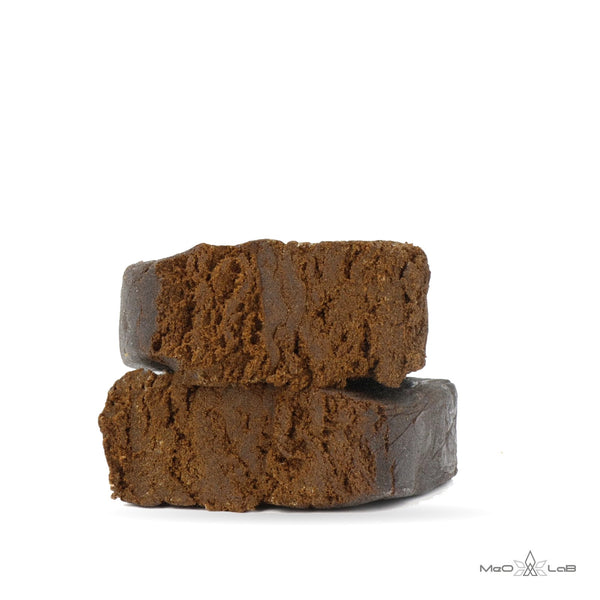
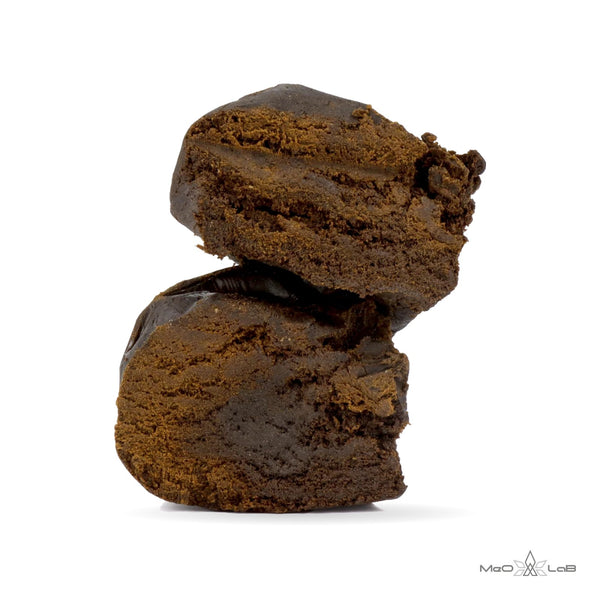
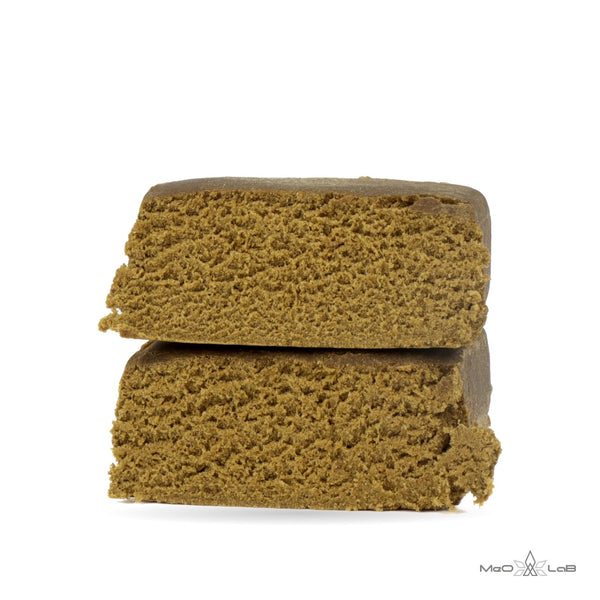
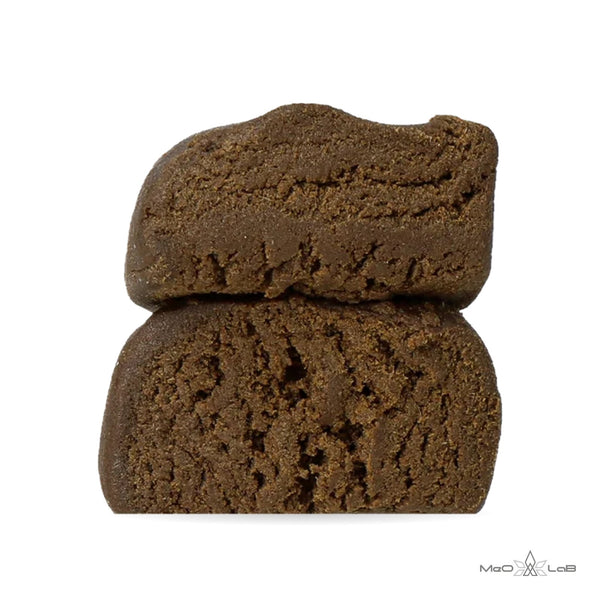
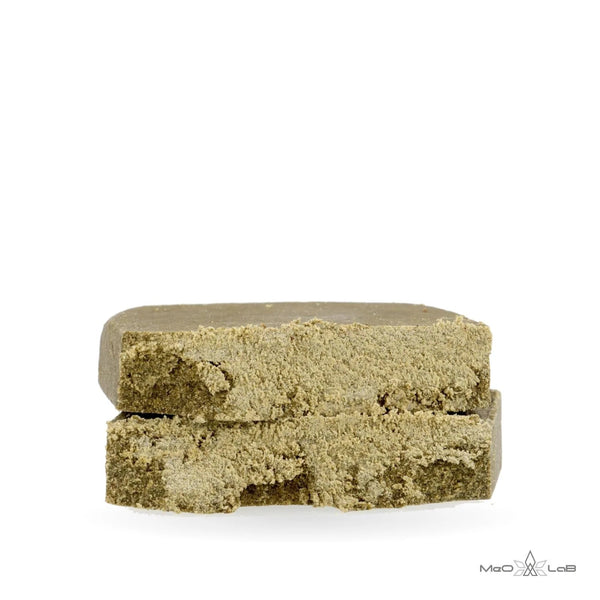
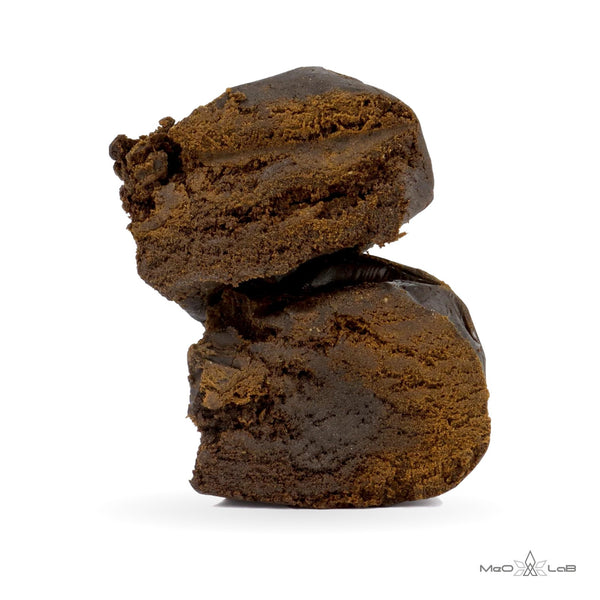
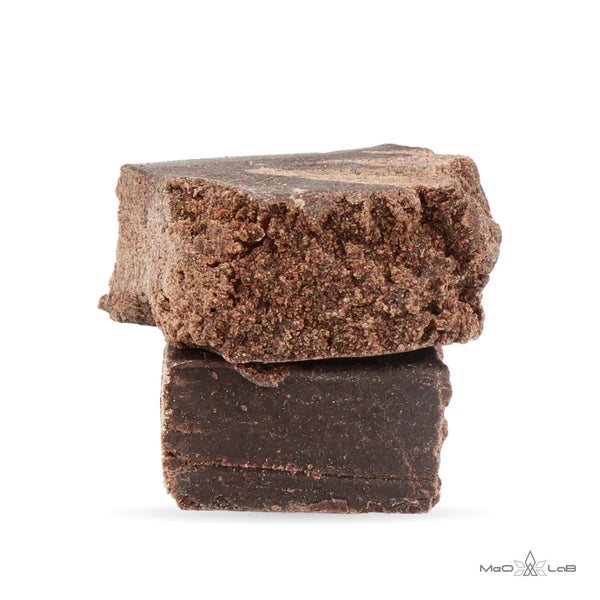
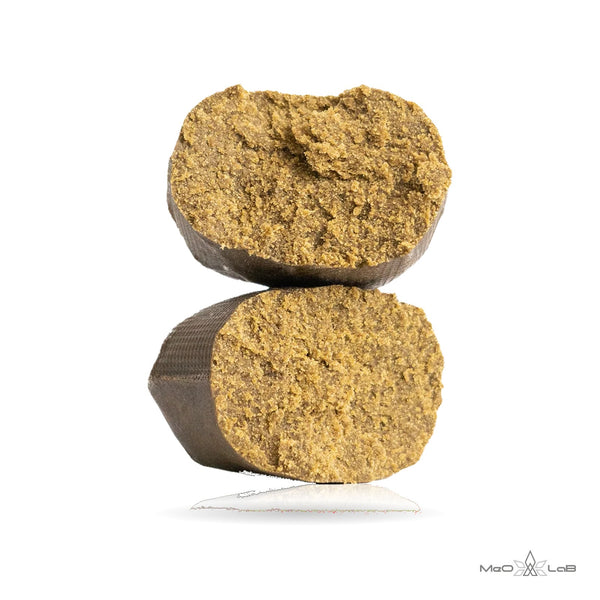
Afghan, Lebanese, Moroccan, Nepalese, Manali and Charas: types of Hashish take their names from specific regional traditions, each with its own processing and look. In this guide we explain where each style comes from and which resin in our CBD Hashish collection it inspires, all with total THC below 1%.
Types of Hashish: six regional traditions
The basic techniques are explained in our guide how CBD Hashish is made; here we focus on the geography and history of each style.
Afghanistan: pressed Hashish from the north
In the early twentieth century Afghanistan was, together with Kashmir and other parts of India, one of the main centres of resin production. The most widespread variety in the country is Mazari, linked to the northern province of Balkh. According to the UNODC survey, the dried plants are threshed and sieved up to three times to obtain a powder called garda.
In the traditional method the powder is heated until it becomes soft, sticky and solid, then pressed and rolled by hand. Its colour ranges from greenish brown to dark brown. Our Hashish Afghan (25% CBD), pressed by hand from indica plants, is inspired by this tradition.
Lebanon: red and blond from the Bekaa Valley
In Lebanon, cultivation developed mainly in the Bekaa Valley from the early twentieth century, and since the 1960s it has been one of the country's main export crops. The harvest usually takes place in early September: the plants are dried indoors and then sieved to separate the resin powder.
The tradition distinguishes two types by colour: blond Hashish, also called yellow, which is more common, and the scarcer red Lebanese. Our Hashish Red Libano (25% CBD) is inspired by the latter: sieved and pressed, with a spicy, slightly sweet aroma.
Morocco: the Rif tradition
In the Rif, the mountain range of northern Morocco, hemp has a long history: according to most historians it was already grown around Ketama in the fifteenth century. For a long time the local product was kif, made from chopped flowers, while the production of sieved Hashish grew from the late 1960s.
The Rif technique is sieving: the dry plants are beaten and rubbed over a fine-mesh cloth and, with different screens, powders of different grades are obtained and then pressed. The classic shape was the 250 g slab known as the "soap bar". Our Hashish Marocchino (18% CBD) is inspired by the Rif style.
Nepal: charas from the hills
In Nepal, hemp grows wild across all the hill regions, and the local tradition is charas, the resin collected by hand from the plants. As early as the eighteenth century, Nepalese charas was regarded as one of the most prized.
Our Hashish Nepalese (18% CBD) is inspired by this style: dark, soft and pliable, with earthy notes of incense and wood.
India: Manali and the Parvati Valley
In the Indian state of Himachal Pradesh, resin has been made for centuries, especially in the Parvati Valley, south of Manali. This is where the village of Malana lies, which gives its name to Malana Cream, one of the best-known charas. The work is manual and slow: with careful rubbing it takes about a day to obtain 5 grams of the top grade.
Our Hashish Manali Cream (20% CBD) is inspired by this tradition: a soft, creamy paste with a sweet and spicy profile.
Charas: resin from living plants
Rather than a region, charas is a way of working found across northern India and Nepal, along the Himalaya. Unlike sieved Hashish, which is made from dried plants, charas comes from living plants: the fresh resin is collected by rubbing the flowers between the palms of the hands. Our Charas (22% CBD) follows this method.
Ice-O-Lator, Filtrato and Gold Edition: method and selection
Three names in our collection do not refer to a regional tradition. Hashish Ice-O-Lator (40% CBD) takes its name from the system of filter bags used to separate the trichomes with water and ice, without solvents. Hashish Filtrato (28% CBD) refers to sieving through a very fine mesh. Hashish Gold Edition (50% CBD), on the other hand, is a selection: the premium resin with the highest CBD content in the collection.
Types of Hashish compared
All resins come in sizes from 2 to 50 g, from CHF 15, and have total THC below 1%. You will find them in the light cannabis resins collection.
| Style | Region of origin | Traditional look and processing | Our product | CBD |
|---|---|---|---|---|
| Afghan | Northern Afghanistan (Balkh) | Pressed by hand, greenish brown to dark brown | Hashish Afghan | 25% |
| Lebanese | Bekaa Valley | Sieved resin, blond (yellow) or red | Hashish Red Libano | 25% |
| Moroccan | Rif, northern Morocco | Sieved powder pressed into slabs | Hashish Marocchino | 18% |
| Nepalese | Hills of Nepal | Charas collected by hand | Hashish Nepalese | 18% |
| Manali | Himachal Pradesh, Parvati Valley | Hand-rubbed charas | Hashish Manali Cream | 20% |
| Charas | Northern India and Nepal | Fresh resin from living plants | Charas | 22% |
Delivery and shop in Quartino
Delivery is free throughout Switzerland with Swiss Post and takes about 2 days. You can also see the resins in the MeO-LaB shop in Quartino, in the Locarno region, by appointment from Monday to Friday. Sales to adults only (18+).
Frequently asked questions
What does a style name such as Afghan or Nepalese mean?
It refers to the regional tradition that inspires the resin in its processing, texture and look.
What is the difference between red and blond Lebanese Hashish?
They are the two traditional types of the Bekaa Valley, distinguished by colour: blond, or yellow, is the more common, red is scarcer. Our Hashish Red Libano (25% CBD) is inspired by the red.
Which types of Hashish are softer?
The Himalayan-style resins: Charas, Hashish Manali Cream and Hashish Nepalese. Hashish Afghan and Hashish Red Libano are pressed and more compact.