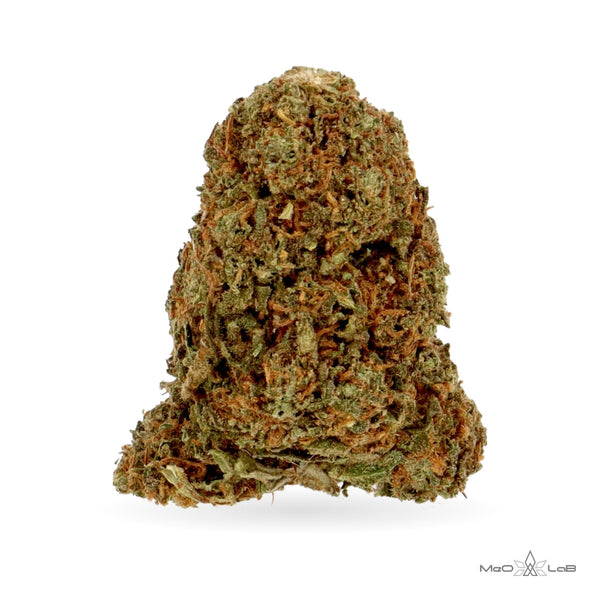
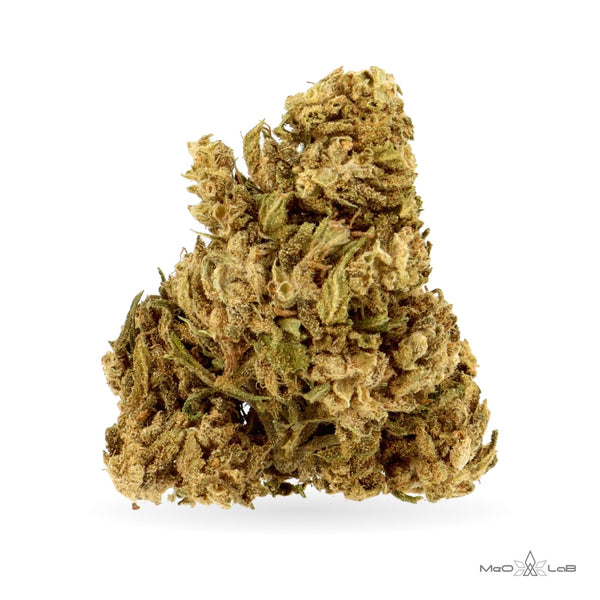
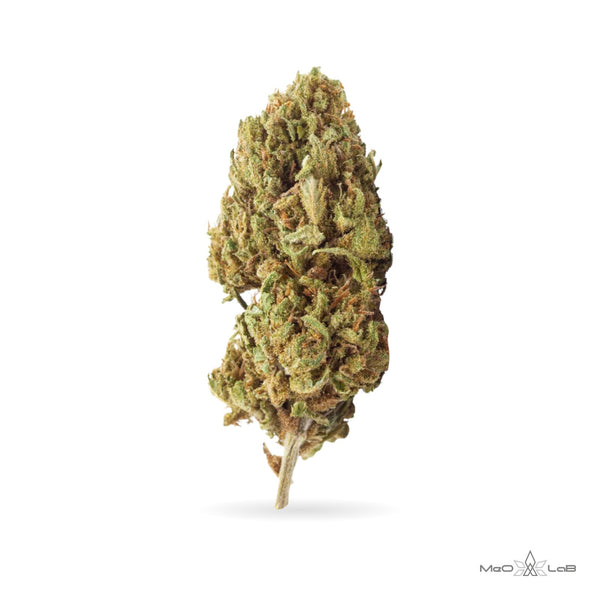
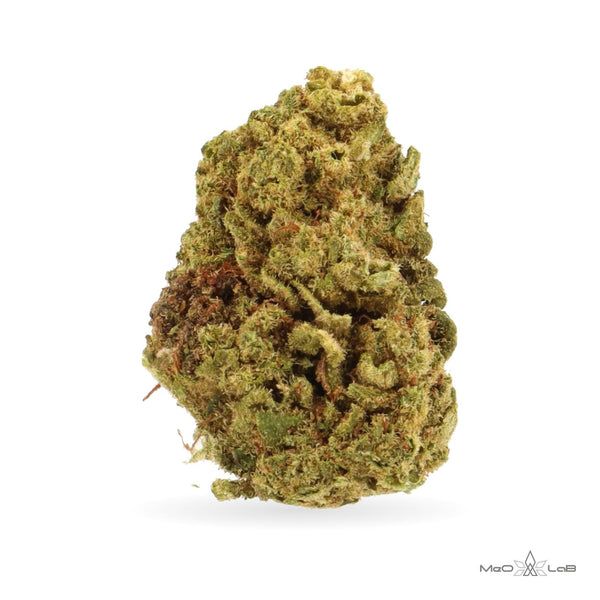
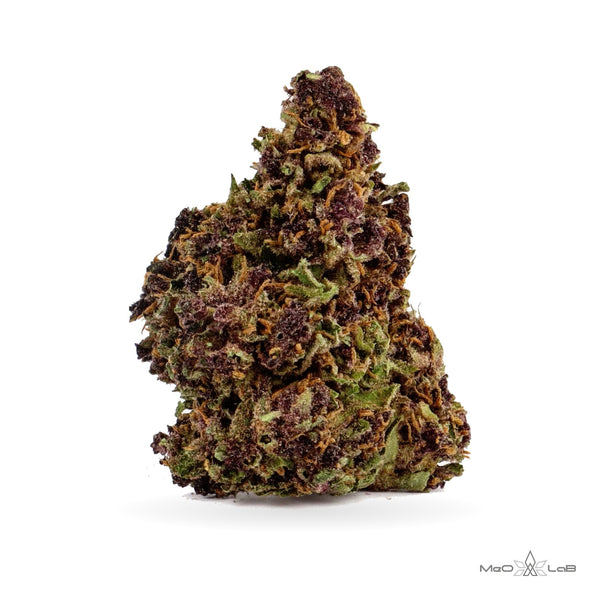
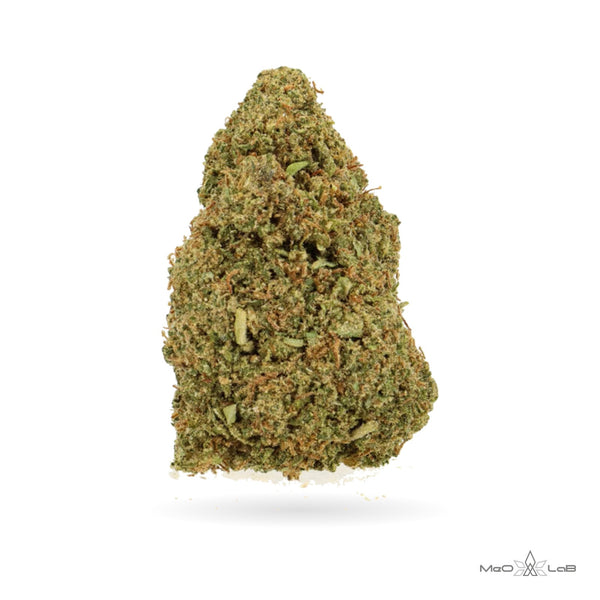
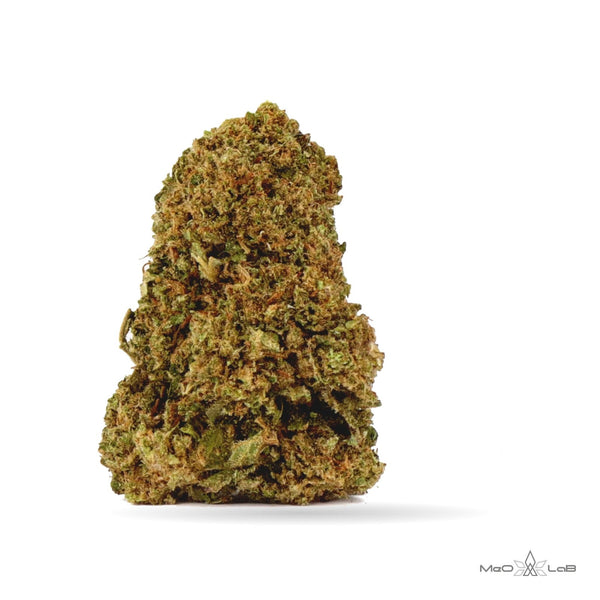
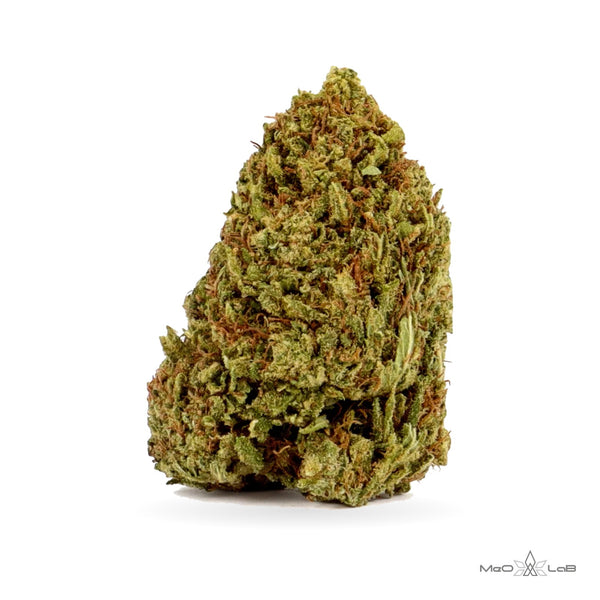
Our CBD flower strains descend from genetics with a clear history: Haze from California, Skunk lines selected in the 1970s and 1980s, Kush from the Hindu Kush and a sativa from South Africa. Here you will find our 12 strains with their origin, look, aroma and CBD percentage, from 10% for Durban Poison to 24% for Amnesia Haze. All have total THC below 1%.
From heritage strains to CBD flowers
The names of CBD flower strains such as Haze, Skunk or Kush come from genetics bred between the 1960s and the 1980s, when growers in California and later in the Netherlands crossed native varieties (landraces) from Colombia, Mexico, Thailand, Afghanistan and South Africa.
CBD flower strains are created by crossing these lines with CBD-rich plants and selecting, generation after generation, the plants with total THC below 1%, the Swiss limit for hemp that is not covered by the Narcotics Act. A study published in 2003 in the scientific journal Genetics showed that the ratio of CBD to THC depends largely on a single gene locus with two variants, one linked to CBD and one to THC.
The 12 strains of our CBD flowers
Amnesia Haze – 24% CBD
It descends from the Haze family, and its genetics are traced back to native varieties from South Asia and Jamaica. It won the Cannabis Cup in 2004. Our CBD version has a fresh, citrus scent with notes of lemon.
Super Lemon Haze – 23% CBD
It was created in Amsterdam in the late 1990s by crossing Lemon Skunk with Super Silver Haze, and won the Cannabis Cup in Amsterdam in 2008 and 2009. The buds are bright green and rich in trichomes, with pistils that turn orange at maturity; the aroma recalls fresh lemon.
Züri Nord – 20% CBD
It is a new arrival in our range, and there is no documented history for this genetics. It has compact, resinous buds, a natural and bold aroma and 20% CBD.
Super Skunk – 19% CBD
It is a cross of Skunk #1 and Afghani. Skunk #1 was bred in the United States between the late 1970s and the early 1980s from Afghani, Acapulco Gold and Colombian Gold. The scent is pungent and earthy.
Orange Bud – 18% CBD
It is one of the original Skunk strains: it was found in the early 1980s during a selection of Skunk plants and is a sativa-dominant hybrid. The buds are dense, with orange pistils, and the aroma recalls orange peel with sweet notes.
Harlequin – 17% CBD
This genetics naturally produces more CBD than THC. It descends from Colombian Gold, a Nepalese indica and Thai and Swiss landraces; it is sativa-dominant, with a fresh aroma and earthy nuances.
Critical – 17% CBD
It belongs to the Skunk family: it comes from a cross of Skunk #1 with an indica genetics and was selected to finish flowering quickly, even at northern latitudes. It forms generous buds and has a sweet, earthy scent.
Candy Kush – 16% CBD
It is part of the Kush family, which goes back to indica varieties from the Hindu Kush mountains between Afghanistan and Pakistan that reached California in the early 1970s. It is an indica-dominant hybrid with a sweet candy aroma. We also cover the Candy Kush grown outdoors in Ticino in our article on the CannaSwissCup 2025.
Bluedream – 16% CBD
It is based on Blue Dream, a hybrid created in California in the early 2000s by crossing Blueberry and Haze. It has sweet, creamy notes.
Purple Haze – 15% CBD
The name recalls a well-known 1967 rock song with the same title; the strain is classified as a sativa of the Haze family. The buds can take on purple hues, hence the name, and the aroma is intense.
Strawberry – 14% CBD
The name describes its aroma profile, sweet and fruity with notes of strawberry. Several genetics carry this name, so we do not state a precise lineage.
Durban Poison – 10% CBD
It is a pure sativa named after the South African port city of Durban, where it comes from. The original genetics forms buds covered in a dense layer of trichomes; the aroma is spicy and woody.
The strains compared: genetics and aroma
| Strain | Genetic line | CBD | Aroma note |
|---|---|---|---|
| Amnesia Haze | sativa | 24% | fresh, citrus, lemon |
| Super Lemon Haze | hybrid (Lemon Skunk x Super Silver Haze) | 23% | lemon, citrus |
| Züri Nord | not documented | 20% | natural and bold |
| Super Skunk | indica-dominant | 19% | pungent and earthy |
| Orange Bud | sativa-dominant hybrid | 18% | orange peel, sweet |
| Harlequin | sativa-dominant | 17% | fresh, earthy |
| Critical | indica-dominant | 17% | sweet and earthy |
| Candy Kush | indica-dominant hybrid | 16% | sweet, candy |
| Bluedream | hybrid (Blueberry x Haze) | 16% | sweet and creamy |
| Purple Haze | sativa | 15% | intense |
| Strawberry | not documented | 14% | sweet, strawberry |
| Durban Poison | pure sativa | 10% | spicy and woody |
You will find all strains, with pack sizes and prices, in the CBD flowers collection. To learn which molecules create citrus, earthy or spicy notes, read the guide on terpenes in CBD flowers.
Delivery and shop in Quartino
We ship free of charge across Switzerland with Swiss Post, and delivery usually takes about 2 days. At the MeO-LaB shop in Quartino, in the Locarno region, you can see and compare the strains in person, by appointment from Monday to Friday. Sale to adults only (18+).
Frequently asked questions
Do CBD strains have the same genetics as the heritage strains?
They keep the name and some traits, such as bud shape and aroma, but they have been selected for high CBD and total THC below 1%. Their cannabinoid profile is therefore different from that of the original strain.
Why can strains with the same name be different?
Different breeders sometimes use the same name for plants with non-identical lineages, as with Critical or Strawberry.
What is a landrace strain?
It is a native variety that has adapted over time to a specific region without modern crossbreeding.